
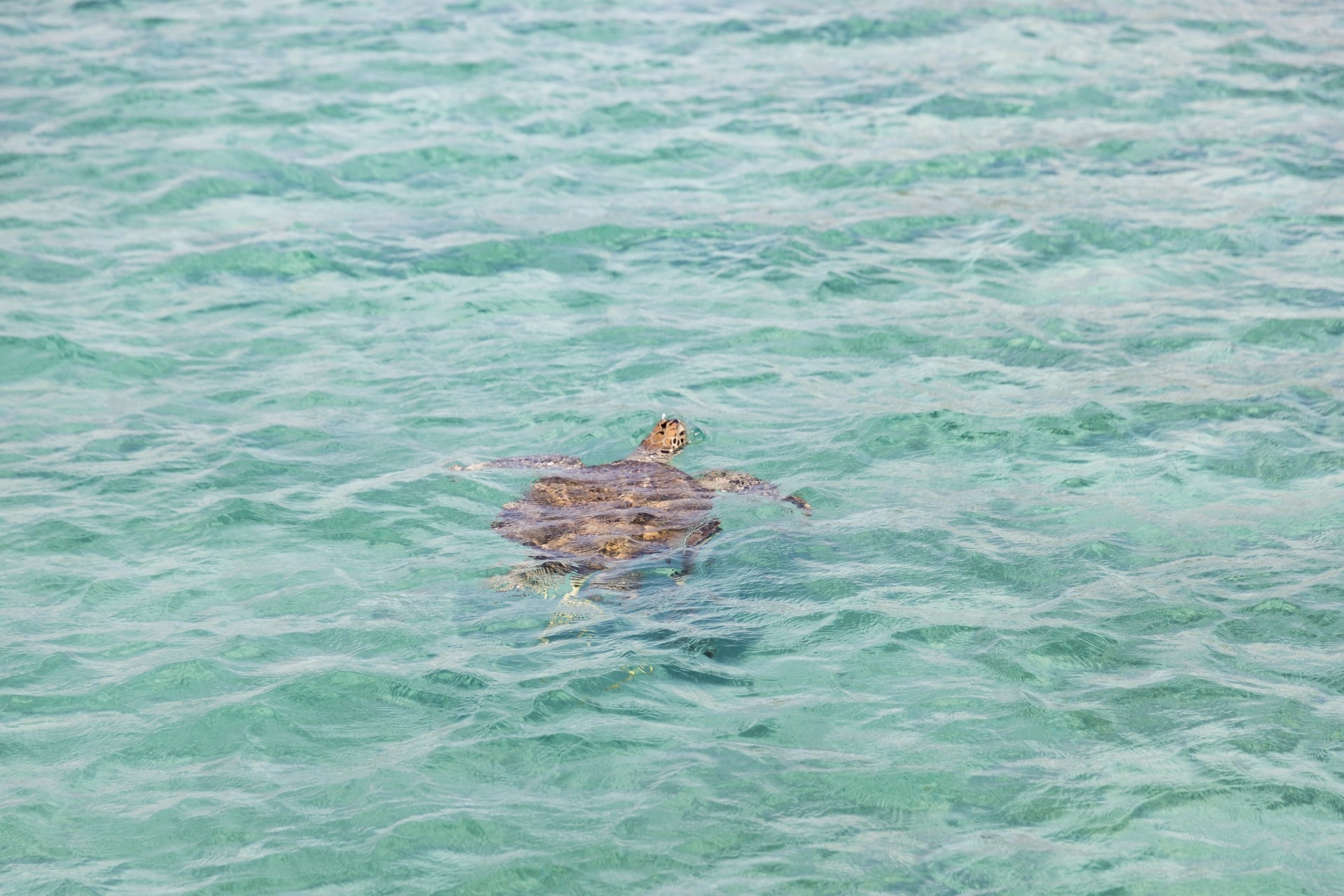
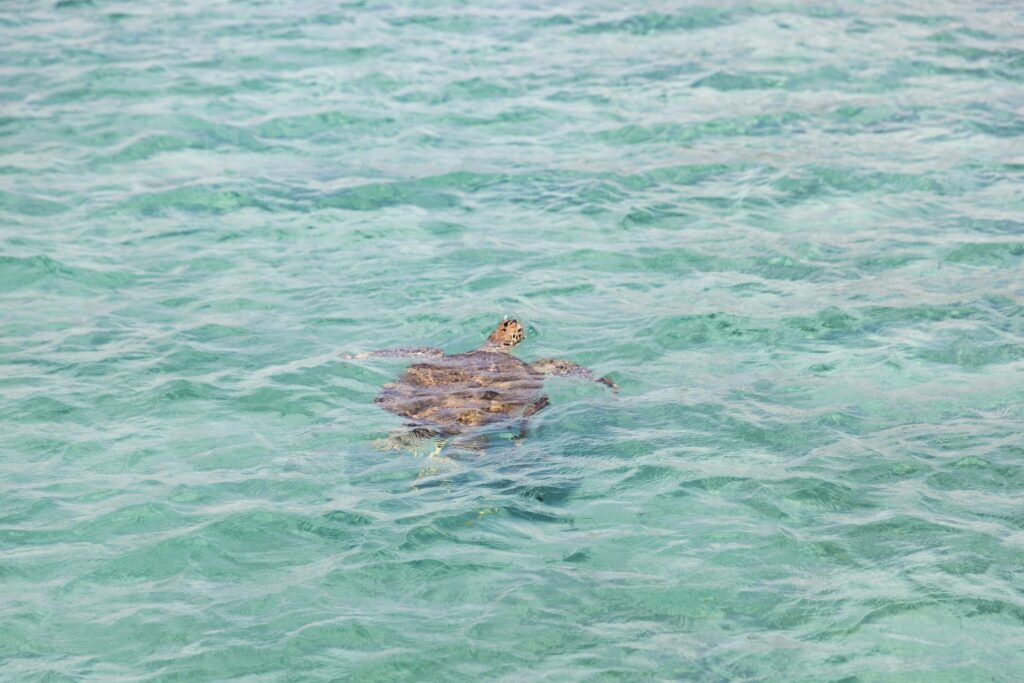
Planning to swim with sea turtles during your trip to Nassau? Watching a wild green sea turtle glide effortlessly through the clear waters of Green Cay is one of the most memorable experiences in The Bahamas. The key to an unforgettable encounter isn’t getting closer—it’s giving these incredible animals the space they deserve.
Whether you’re snorkeling for the first time or you’re a seasoned ocean lover, here’s how to enjoy one of Nassau’s most incredible wildlife experiences while helping protect it for future generations.
Why Green Cay Is One of the Best Places to See Sea Turtles
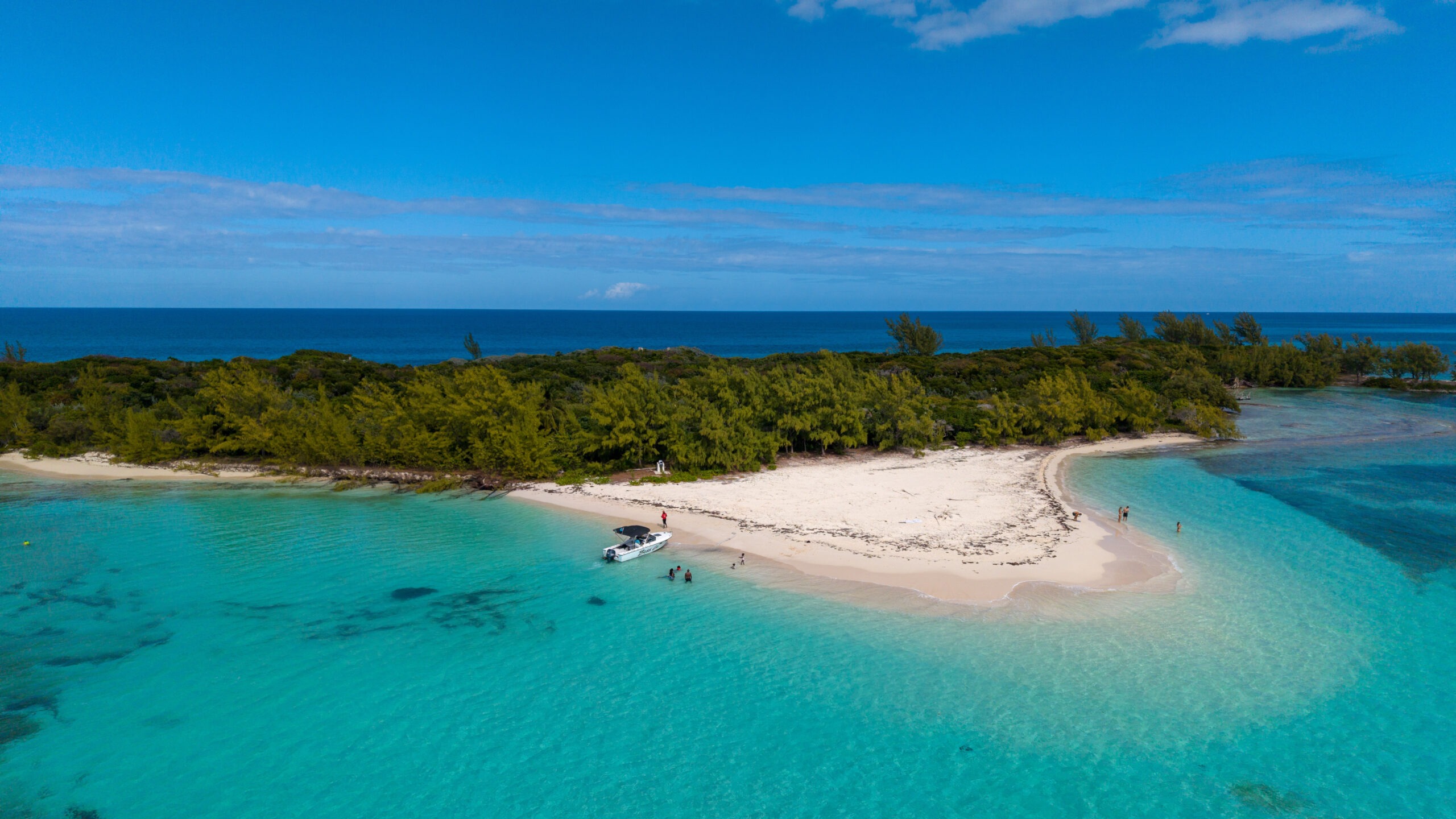
Just a short boat ride from Paradise Island lies Green Cay, a protected marine area known for its healthy seagrass beds, coral reefs, and resident population of wild green sea turtles.
Unlike captive wildlife attractions, these turtles are completely free to come and go. They aren’t trained, fenced in, or fed for tourist entertainment. Every sighting is natural, which is exactly what makes the experience so rewarding.
The calm, shallow water surrounding Green Cay also makes it an excellent snorkeling destination for families, couples, and first-time snorkelers.
7 Tips for Swimming with Sea Turtles Responsibly
1. Keep Your Distance
The best wildlife encounters happen when you become part of the environment instead of chasing it.
Stay at least 10 feet (3 meters) away whenever possible. Never swim directly toward a turtle or cut across its path.
Giving turtles plenty of room allows them to continue feeding and swimming naturally—and often leads to longer, more relaxed encounters.
2. Let the Turtle Decide
Many visitors assume they need to swim after a turtle to get a great photo.
In reality, the opposite is usually true.
Float quietly and allow the turtle to move naturally. Curious turtles will occasionally swim nearby on their own, creating far better photo opportunities than chasing ever could.
3. Never Touch a Sea Turtle
It may be tempting to reach out, but touching sea turtles can cause unnecessary stress and interfere with their natural behavior.
Their bodies are covered by a delicate protective coating that helps defend against disease and parasites. Human contact can disturb this layer while also teaching wildlife to become comfortable around people.
The best memories come from observing—not handling.
4. Never Feed Wildlife
Sea turtles naturally feed on seagrass, algae, and marine vegetation.
Offering food changes their behavior and can make them dependent on people instead of their natural habitat.
Feeding wildlife also increases the chance that turtles begin approaching boats and swimmers expecting food, creating unnecessary risks.
5. Move Slowly and Stay Calm
Quick movements, splashing, and loud noises often cause turtles to leave the area.
Instead:
- Float whenever possible.
- Kick gently.
- Avoid sudden dives toward the animal.
- Let the ocean do the work.
Many guests are surprised that slowing down often results in the closest encounters.
6. Give Them Room to Surface
Sea turtles breathe air.
Every few minutes they must swim to the surface before returning to feed along the bottom.
Never position yourself above a turtle or block its path to the surface. If one begins ascending, simply move aside and allow it to breathe comfortably before continuing on its way.
7. Protect the Reef Too
Healthy reefs support healthy turtle populations.
While snorkeling:
- Never stand on coral.
- Avoid kicking reefs with your fins.
- Take all trash back with you.
- Leave shells, coral, and marine life exactly where you found them.
Protecting the reef protects everything that depends on it.
Common Mistakes Tourists Make
Even well-meaning visitors sometimes make mistakes that disturb marine life.
The most common include:
- Chasing turtles for photos.
- Trying to touch or ride them.
- Surrounding the turtle with multiple swimmers.
- Feeding wildlife.
- Standing on coral while adjusting snorkeling equipment.
- Wearing sunscreen that isn’t reef-friendly.
Small changes in behavior make a significant difference for Nassau’s marine ecosystem.
Why Responsible Wildlife Tourism Matters
Sea turtles play an important role in maintaining healthy marine ecosystems.
Green turtles help keep seagrass beds healthy by grazing naturally. Those seagrass beds, in turn, provide habitat for countless fish and marine species while helping stabilize the ocean floor.
Every respectful wildlife encounter helps demonstrate that tourism and conservation can work together.
Visitors who follow responsible snorkeling practices help ensure that future generations can experience Nassau’s remarkable marine life just as we do today.
When Is the Best Time to See Sea Turtles?
The good news is that sea turtles can be seen around Green Cay throughout the year.
The best conditions are usually:
- Calm mornings
- Light winds
- Good visibility
- Clear, sunny weather
Since these are wild animals, sightings can never be guaranteed—but Green Cay has become one of Nassau’s most consistent turtle habitats.
Where Can You Swim with Sea Turtles Near Nassau?
Several areas around Nassau offer opportunities to encounter turtles, however Green Cay is usually where they are found.
Green Cay
Known for reliable sightings of wild green sea turtles in shallow, crystal-clear water. Ideal for snorkeling and photography.
Rose Island
Some reefs around Rose Island occasionally produce turtle sightings while snorkeling, particularly around healthy coral and seagrass areas.
Blue Lagoon Area
Turtles are sometimes spotted nearby, although encounters tend to be less predictable than around Green Cay.
A Better Experience on a Private Boat Tour
One advantage of exploring Green Cay on a private boat tour is flexibility.
Instead of following a fixed group schedule, your captain can spend more time where conditions are best, wait for crowds to move through, and adjust the itinerary based on weather, visibility, and wildlife activity.
That often leads to a more relaxed experience—for both guests and the turtles.
Frequently Asked Questions
No. Sea turtles are protected wildlife and should never be touched, chased, or handled.
Yes. They are completely wild animals living in their natural habitat.
Yes. Sea turtles are gentle animals. Simply maintain a respectful distance and follow your guide’s instructions.
Absolutely. Calm, shallow conditions around Green Cay often make it a great experience for families, provided children are comfortable in the water and supervised.
Yes. Green sea turtles are regularly seen throughout the year around Green Cay, although sightings always depend on natural conditions.
Experience Nassau’s Marine Life Responsibly
Swimming alongside a wild sea turtle is one of those rare travel moments that stays with you long after your vacation ends.
The experience becomes even more meaningful when it’s done responsibly—giving wildlife the freedom to behave naturally while allowing future visitors to enjoy the same incredible encounter.
At J.Co Charters, Green Cay is one of our favorite stops because it showcases the beauty of Nassau’s marine environment exactly as it should be: wild, peaceful, and respected.